Ética & Regulação
300 Starlink Launches: SpaceX Races to Close the Digital Divide
Dr. Adrian Vale
LLM, AI Agents & AI Infrastructure Specialist
4 min read
Original sourceListen to Article
AI automated narration
LLM, AI Agents & AI Infrastructure Specialist
SpaceX has completed its 300th Starlink launch, with 42 missions conducted in 2026. This milestone advances satellite-based internet access to underserved regions, though affordability and regulatory challenges, especially in Brazil, remain obstacles. Two additional launches are planned for May 17 and 19.
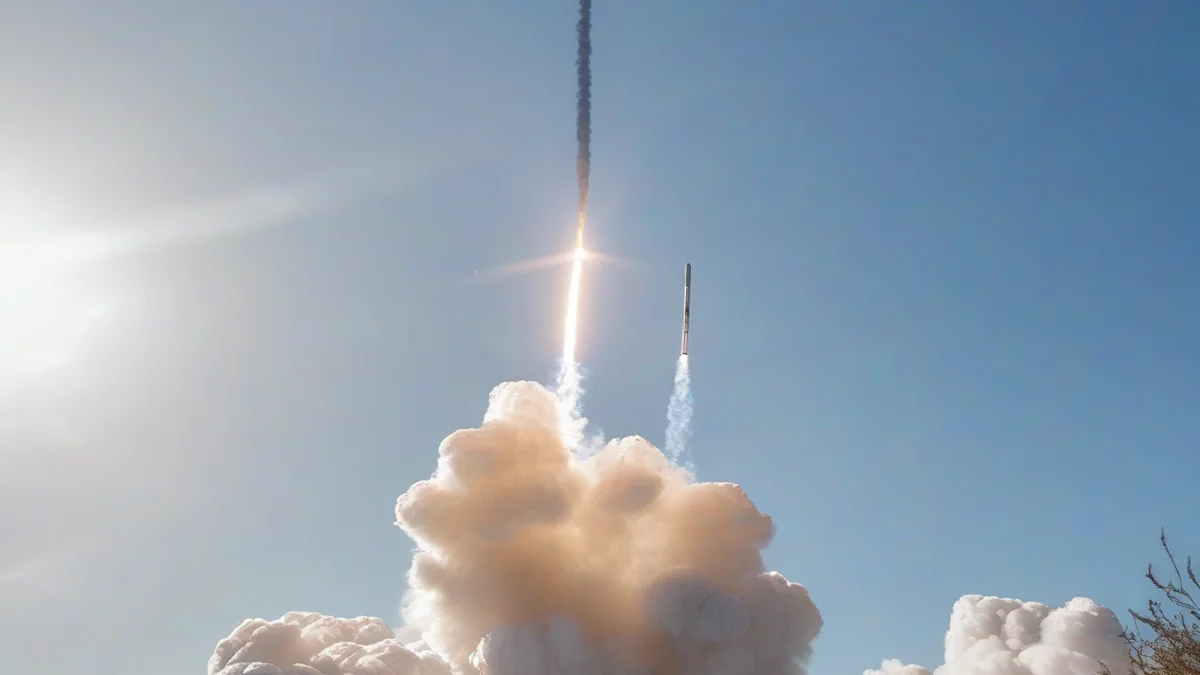
On May 13, 2026, SpaceX achieved its 300th Starlink satellite launch at Vandenberg Space Force Base in California. This was the company’s 42nd Falcon 9 mission in 2026, showcasing its accelerating pace in deploying satellites for global internet connectivity. Two more launches are scheduled for May 17 and 19, underlining SpaceX’s aggressive expansion of its satellite constellation.
Starlink has been instrumental in addressing the lack of internet access in remote and underserved areas. For instance, in Brazil, 20% of the rural population lacks internet, as per IBGE data. This digital exclusion hampers access to education, healthcare, and economic opportunities, particularly in the Amazon rainforest and semi-arid regions of the country.
Unlike traditional fiber optic or mobile networks, Starlink’s low-Earth orbit satellites bypass the need for costly infrastructure, making connectivity feasible in geographically challenging areas. This technological edge positions Starlink as a crucial player in bridging the digital divide in vast territories like Brazil.
Despite its potential, Starlink’s expansion faces notable hurdles:
To overcome these challenges, SpaceX could explore partnerships with local governments and telecom operators to create hybrid connectivity solutions and subsidize costs for underserved communities.
Expanding satellite internet networks like Starlink can unlock transformative benefits:
However, achieving these outcomes requires targeted public policies to ensure that services remain affordable and accessible to all population segments.
The 300th launch underscores SpaceX’s leadership in satellite internet deployment. With additional launches scheduled and a growing satellite network, Starlink is poised to enhance global connectivity significantly.
In the coming years, SpaceX's success will hinge on its ability to address financial and regulatory barriers, particularly in emerging markets. Collaborating with local governments and private stakeholders could be critical for sustainable market entry and widespread adoption. By doing so, Starlink could redefine connectivity, unlocking opportunities in sectors such as education, healthcare, agriculture, and commerce.
As of May 13, 2026, SpaceX has completed 300 Starlink launches, with 42 occurring in 2026 alone.
SpaceX faces challenges such as high service costs, strict telecommunications regulations, and competition from local and global providers like Amazon's Project Kuiper.
Starlink can improve education, healthcare, and economic opportunities in underserved regions, with studies indicating that increased internet penetration drives GDP growth.
💡 Dica Pro: Starlink’s low-Earth orbit design reduces latency to as low as 20ms, which is critical for real-time applications like video conferencing and online gaming, even in remote regions.