IA Generativa
Anthropic-SpaceX $15B Deal: Will the 90-Day Clause Backfire?
Dr. Adrian Vale
LLM, AI Agents & AI Infrastructure Specialist
5 min read
Original sourceLLM, AI Agents & AI Infrastructure Specialist
Anthropic's $1.25 billion-per-month lease with SpaceX secures access to 220,000 NVIDIA GPUs in a deal slated to last until May 2029. However, a 90-day mutual cancellation clause raises concerns about the agreement's long-term stability. The move positions SpaceX as a major player in AI infrastructure but also exposes both companies to significant risks.
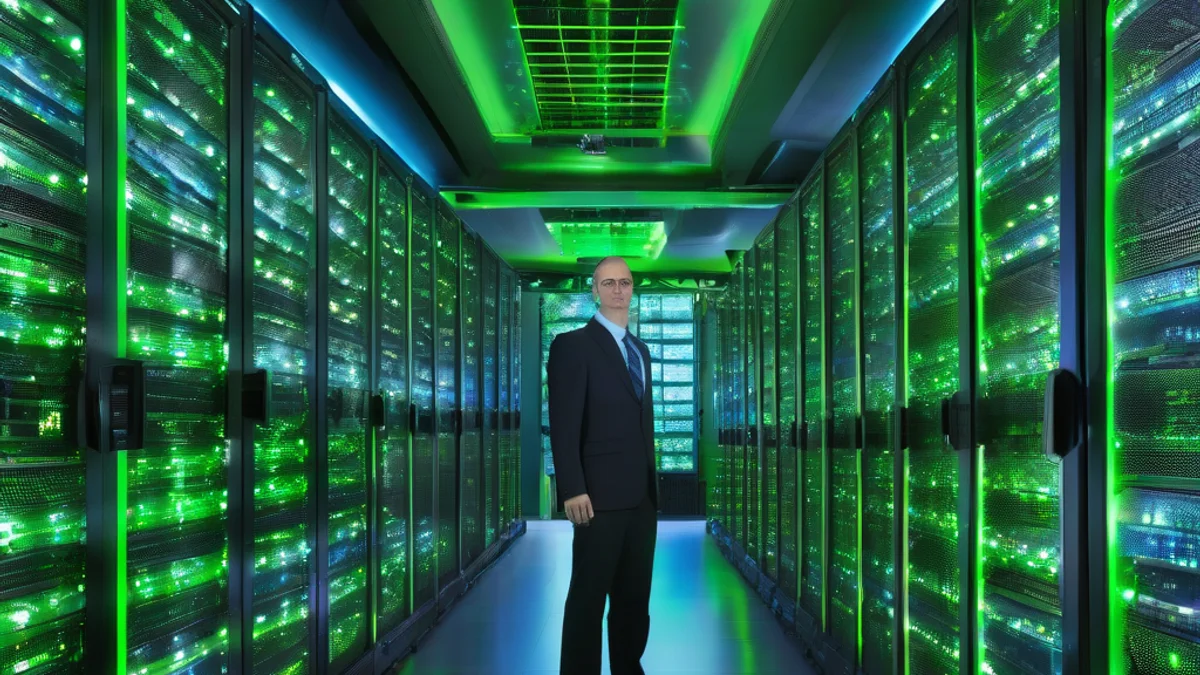
Anthropic has entered into a high-profile lease agreement with SpaceX, valued at $1.25 billion per month, securing over 220,000 NVIDIA GPUs housed in SpaceX’s Colossus data centers. Set to run until May 2029, the deal amounts to a staggering $15 billion annual commitment, making it one of the largest AI infrastructure arrangements to date. These computational resources are critical for Anthropic’s development of large language models (LLMs), such as its Claude series.
However, the inclusion of a 90-day mutual cancellation clause has sparked concerns about the deal's stability. This clause, disclosed by SpaceX CEO Elon Musk, appears to conflict with the company's IPO filings, which describe the contract as a long-term agreement. The discrepancy has raised questions about the reliability of the partnership and its potential impact on the AI infrastructure and cloud computing markets.
The agreement significantly positions SpaceX as a competitor to traditional cloud computing giants like AWS, Microsoft Azure, and Google Cloud. With $15 billion in annual revenue from Anthropic, the deal represents a substantial recurring income stream that could support SpaceX’s financial stability, especially as it prepares for an upcoming IPO.
SpaceX's Colossus data centers leverage proprietary technology, giving the company a unique edge in serving AI-driven enterprises. The partnership with Anthropic could pave the way for SpaceX to attract more high-value clients in the AI sector, further challenging the dominance of established cloud providers.
Anthropic's reliance on SpaceX for 220,000 NVIDIA GPUs comes with risks. The 90-day cancellation clause is a potential operational hazard. If SpaceX were to terminate the agreement, Anthropic could face significant disruptions in its LLM projects, leading to delays and increased costs. Furthermore, the dependency on a single supplier, particularly one with ties to a competing AI venture like Musk’s xAI, could limit Anthropic's strategic flexibility.
Securing such a large-scale compute infrastructure is a crucial move for Anthropic as it seeks to compete with OpenAI and Google DeepMind. However, the risks introduced by the cancellation clause and exclusive supplier dependency may impact its ability to sustain a competitive edge.
The deal highlights a trend of leading AI companies outsourcing their computational needs to specialized providers rather than building in-house data centers. While this approach offers scalability and access to cutting-edge resources, it also raises concerns about market concentration. Dominance by a few major players could limit competition and drive up costs for smaller AI firms, making it harder for them to compete.
For SpaceX, the uncertainty surrounding the contract’s stability could impact investor confidence, particularly as it prepares for its IPO. On the other hand, if the partnership with Anthropic proves stable and successful, it could bolster SpaceX’s reputation as a reliable provider of AI infrastructure, attracting further high-profile clients.
The deal is valued at $1.25 billion per month, totaling $15 billion annually, and is set to last until May 2029.
The clause allows either Anthropic or SpaceX to cancel the agreement with a 90-day notice, raising concerns about the deal's long-term stability.
The partnership highlights a growing trend of AI companies outsourcing compute needs to specialized providers, but it also raises questions about market concentration and dependency risks.
💡 Dica Pro: The 90-day cancellation clause could be a strategic move by SpaceX to hedge against potential overcapacity in its data centers. Monitoring competitive responses from AWS, Google Cloud, and Microsoft Azure could reveal whether this is a one-off strategy or part of a broader trend in AI infrastructure contracts.