Big Tech
Apple's 2027 AirPods: Cameras and Health Features Announced
Dr. Adrian Vale
LLM, AI Agents & AI Infrastructure Specialist
4 min read
Original sourceListen to Article
AI automated narration
LLM, AI Agents & AI Infrastructure Specialist
Apple plans to release AirPods with integrated cameras, advanced health sensors, and real-time AI translation by 2027. This next-generation wearable aims to enhance health monitoring, enable AR experiences, and improve global communication. Challenges include miniaturization, heat dissipation, and privacy concerns.
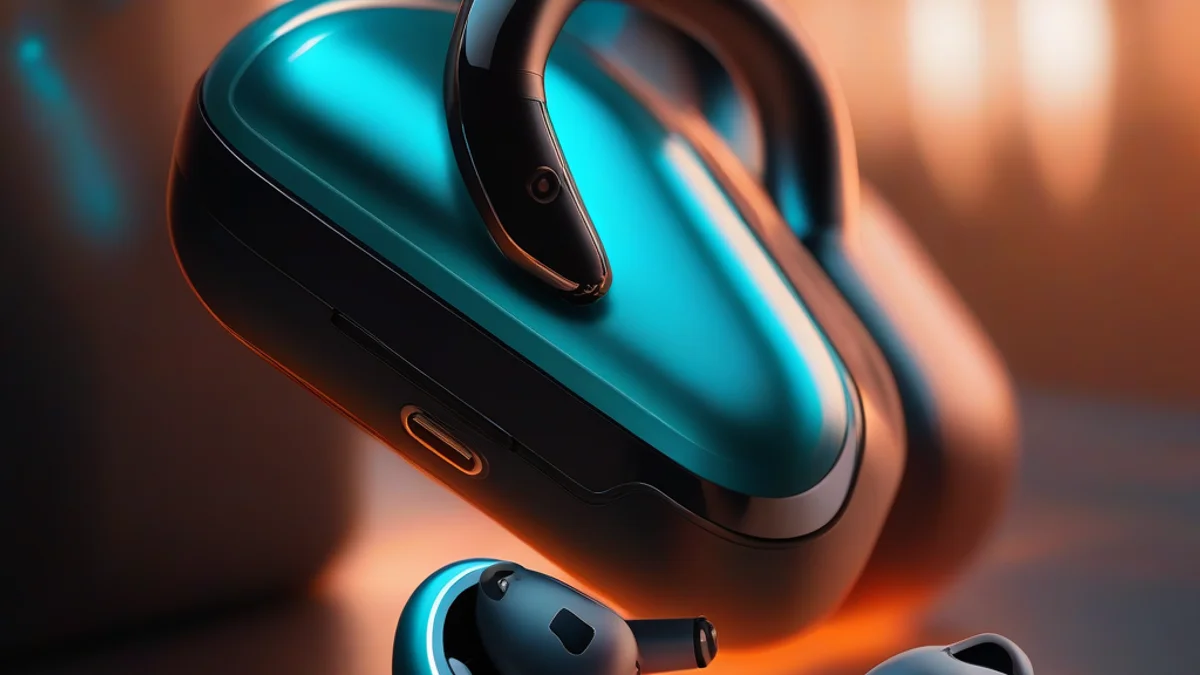
Apple is set to revolutionize its AirPods by introducing a new generation of multifunctional wearables by 2027. According to credible industry reports, these upgraded AirPods will include integrated cameras, advanced biometric health sensors, and real-time AI-powered translation. This marks a significant evolution, transforming AirPods from wireless earbuds into comprehensive, versatile devices.
Since their 2016 debut, AirPods have dominated the wireless earphone market, evolving with features like noise-canceling and basic fitness tracking. The 2027 model aims to extend their functionality even further, aligning with Apple’s broader ambitions in augmented reality (AR) and health technology.
The inclusion of cameras in the 2027 AirPods is among the most anticipated updates. Unlike traditional cameras for photography, these will focus on:
Health monitoring takes center stage with these AirPods, which are rumored to feature sophisticated biometric sensors capable of:
These advancements align with Apple’s ongoing developments in personal health management, following the success of the Apple Watch.
Real-time translation is another groundbreaking feature expected in the 2027 AirPods. Using AI, these wearables aim to facilitate seamless communication across languages, offering an invaluable tool for travelers, international professionals, and language learners.
The upgraded AirPods are poised to play a more integral role within the Apple ecosystem, bringing new dimensions to how users interact with their devices:
While the 2027 AirPods offer exciting possibilities, they also introduce significant challenges that Apple must address:
Apple’s proposed 2027 AirPods with integrated cameras, advanced health sensors, and AI-powered translation represent a bold leap in wearable technology. By broadening the scope of AirPods to include AR and health monitoring, Apple is positioning the device as an essential part of the user’s daily life.
The innovations present opportunities for developers to leverage new APIs for AR and health applications, while businesses in the health and wellness sectors may need to adapt to this new paradigm of consumer-focused health monitoring. However, the success of these devices will hinge on Apple’s ability to address engineering challenges and data privacy concerns.
As the 2027 timeline approaches, the tech world will closely watch Apple’s development process, awaiting further details on this ambitious project.
The 2027 AirPods will reportedly feature integrated cameras for AR, advanced biometric health sensors, and AI-powered real-time translation.
The new AirPods are expected to measure heart rate, blood oxygen levels, and detect health conditions like sleep apnea and cardiovascular issues, expanding Apple's health tech portfolio.
Key challenges include miniaturizing advanced components like cameras and sensors, managing heat dissipation, and addressing privacy concerns regarding data collection.
💡 Dica Pro: Developers should start exploring Apple’s existing ARKit and HealthKit APIs to prepare for potential updates that will integrate with the 2027 AirPods’ new features. Early adoption could give apps a competitive edge in the expanding wearables market.