Ética & Regulação
Creative Industry Unites Against AI: 700 Professionals Speak Out
Dr. Adrian Vale
LLM, AI Agents & AI Infrastructure Specialist
7 min read
Listen to Article
AI automated narration
LLM, AI Agents & AI Infrastructure Specialist
The creative industry is mobilizing against AI usage, rallying 700 professionals in support of an anti-AI campaign. This initiative highlights concerns about the replacement of human labor and ethics in technology.
In recent years, the rise of artificial intelligence (AI) has revolutionized countless industries, from healthcare to transportation. However, the growing presence of AI in the creative sector has not been met with universal enthusiasm. Concerns about the ethical, economic, and artistic implications of AI have sparked a significant movement within the creative industry. Recently, over 700 prominent professionals, including actors, writers, and artists, have united to launch a campaign against the unchecked use of AI in creative fields. This collective action is a pivotal moment, underscoring the need for society to rethink the role of AI in human creativity.
This movement has not only reignited the debate around technological innovation versus labor rights but also raised critical questions about the nature of art, creativity, and the value of human contribution. With high-profile names such as Scarlett Johansson, Cate Blanchett, and Joseph Gordon-Levitt leading the charge, the anti-AI campaign has become a rallying cry for creators worried about the future of their professions and the integrity of artistic expression.
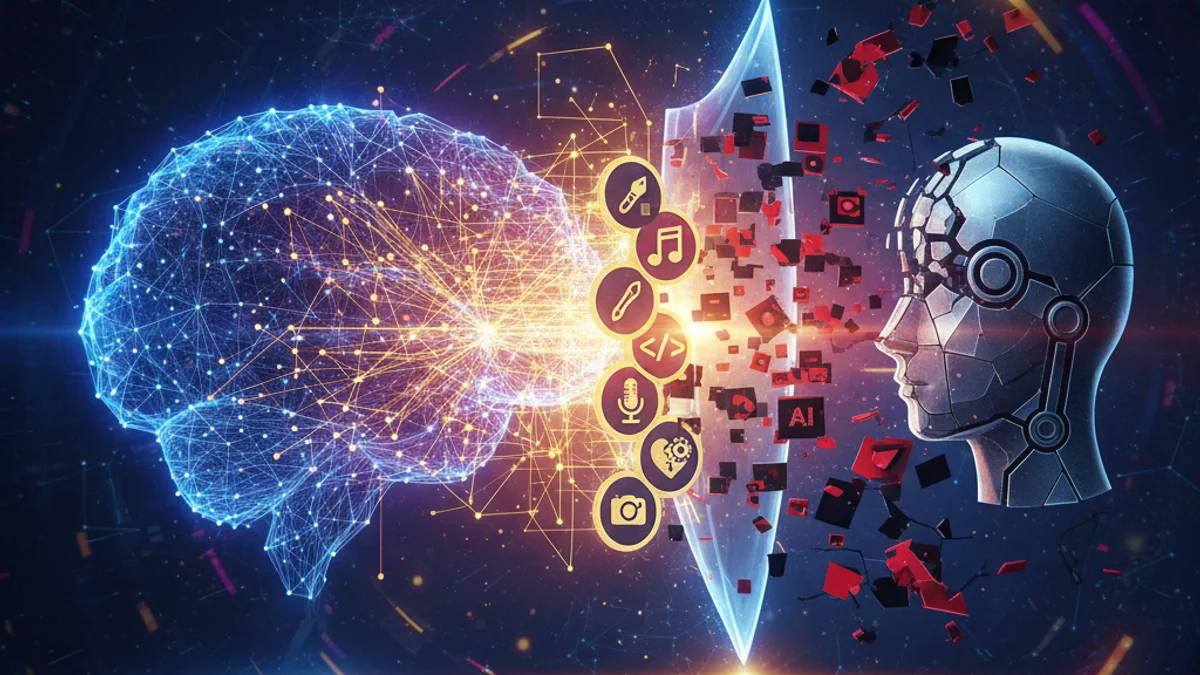
At the heart of the anti-AI campaign lies a fundamental concern: the preservation of human creativity. Participants in the movement argue that AI’s growing role in creative industries threatens not only jobs but also the authenticity and emotional depth of art itself. The campaign emphasizes that automating creative roles with AI is not true innovation but rather a shortcut that undermines the essence of human expression.
The slogan, "Stealing our work is not innovation," has resonated deeply within the community. This phrase reflects fears that AI systems, trained on vast datasets that often include copyrighted works, may infringe on the intellectual property of creators. Recent controversies, such as lawsuits against AI tools accused of using copyrighted material without proper authorization, have further fueled these concerns.
Prominent figures have voiced their unease about AI’s impact. For instance, Scarlett Johansson has spoken about the ethical implications of using her voice or likeness without consent, while Joseph Gordon-Levitt has highlighted the risk of AI diluting the originality of storytelling. These voices represent a broader apprehension that AI, if left unchecked, could commodify creativity and reduce art to algorithmic outputs devoid of human soul.
The creative industry’s response to the campaign has been far from unanimous. On one side, many professionals across film, music, visual arts, and literature have rallied behind the movement, citing AI as a direct threat to their livelihoods. They argue that AI-generated works, while impressive, lack the depth and nuance that come from human experience and emotion. For these creators, the rise of AI represents not just a technological shift but a profound challenge to the very nature of their craft.
However, there is another side to the debate. Some industry insiders believe that AI has the potential to be a powerful tool for enhancing creativity rather than replacing it. For example, filmmakers and musicians have begun using AI to streamline certain aspects of production, such as video editing or sound design, allowing them to focus on more nuanced and imaginative tasks. Proponents of this view argue that the real issue is not AI itself but the need for clear ethical guidelines and regulations to ensure that technology serves as a complement to human creativity rather than a substitute.
Tech companies developing AI tools for creative industries have also weighed in, defending their innovations. Many argue that their systems are designed to empower creators by automating repetitive tasks and offering new avenues for artistic exploration. However, these assurances have done little to quell the fears of those who see AI as an existential threat to their professions.
The integration of AI into creative industries raises several pressing questions about ethics, copyright, and the future of artistic expression. Among the most contentious issues are:
AI systems often rely on massive datasets to generate content, and these datasets frequently include copyrighted material. This has led to accusations that AI tools are effectively "scraping" the work of creators without proper attribution or compensation. For instance, visual artists have reported seeing elements of their work reproduced in AI-generated images, sparking concerns about intellectual property theft.
Critics of AI in creative fields argue that mass-produced, algorithmically generated content risks devaluing human creativity. Art, music, and storytelling have historically been prized for their ability to convey unique perspectives and emotions. There is a fear that AI-generated content, while technically proficient, lacks the depth and authenticity that come from lived human experiences.
The economic implications of AI are significant. Many creative professionals worry that the widespread adoption of AI could lead to job losses, as companies turn to algorithms to produce content at a fraction of the cost. This is particularly concerning in industries like graphic design, copywriting, and animation, where AI tools are already capable of producing high-quality outputs.
Another concern is the potential for AI to contribute to cultural homogenization. Since AI systems are trained on existing datasets, they may perpetuate existing trends and biases rather than fostering innovation. This could result in a creative landscape that prioritizes familiarity and mass appeal over diversity and originality.
While the concerns surrounding AI are valid, many experts believe that a balanced approach can address these challenges. Striking the right balance between innovation and ethical responsibility will require collaboration between tech developers, policymakers, and the creative community. Possible solutions include:
The anti-AI campaign represents a watershed moment for the creative industry, highlighting the urgent need to address the ethical, economic, and artistic implications of AI technology. The resistance from over 700 professionals is a testament to the deep-seated concerns about the future of creativity in an increasingly automated world.
As AI continues to evolve, society faces a critical choice: will we allow technology to erode the value of human creativity, or will we find ways to ensure that innovation complements and enhances it? The answer lies in fostering open dialogue, implementing robust regulations, and prioritizing the rights and voices of creators. Only by working together can we navigate the challenges of this new era and ensure that art, in all its forms, remains a uniquely human endeavor.
Sources: