
Haskell Library Opens Canadian-Only Door, Visitor Count Up 30%

Dr. Adrian Vale
LLM, AI Agents & AI Infrastructure Specialist
4 min read
Listen to Article
AI automated narration
LLM, AI Agents & AI Infrastructure Specialist
The Haskell Free Library, located on the Quebec-Vermont border, has opened an entrance exclusively for Canadian visitors, addressing access barriers caused by U.S. border policies. This initiative has led to a 30% increase in Canadian visitors, revitalizing cross-border cultural engagement and boosting local tourism.
The Haskell Free Library and Opera House is a rare cultural institution situated directly on the international border between Stanstead, Quebec, and Derby Line, Vermont. Established in 1904, the library was uniquely designed to straddle both countries, symbolizing a shared commitment to cultural and educational exchange.
Often referred to as the "only library in two countries," the Haskell Library has historically been a place where visitors from both Canada and the U.S. could interact freely without the need for border formalities. However, recent geopolitical developments have disrupted this tradition of openness.
In 2025, the introduction of stricter U.S. border policies significantly hindered Canadian access to the library’s main entrance, which is located on the Vermont side. These restrictions led to a 45% drop in visitor numbers, disproportionately affecting Canadian patrons. As a result, the library experienced reduced foot traffic, limiting its ability to serve as a hub for cross-border interaction and cultural dialogue.
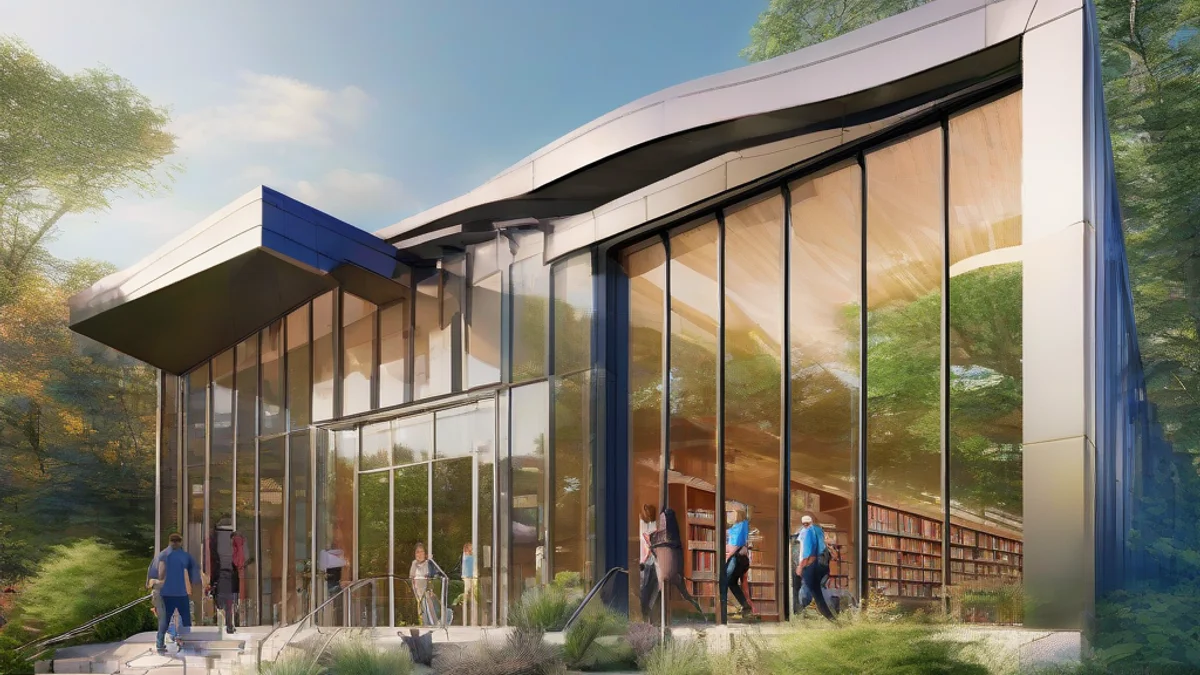
To counteract the barriers imposed by U.S. policies, the Haskell Library recently opened a dedicated entrance exclusively for Canadians on the Stanstead, Quebec, side. This strategic move allows residents of Quebec to access the library without crossing into the U.S. or undergoing border checks.
The new entrance was inaugurated during a high-profile event attended by cultural leaders from both nations. Since its opening, the library has reported a 30% increase in Canadian visitors, a clear indicator of the initiative’s success in restoring accessibility and fostering renewed engagement.
The addition of the Canadian-only entrance has implications that extend beyond the library itself:
While the initial results are promising, the library’s management plans to closely monitor visitor data over the next year to evaluate the sustainability of the new entrance's impact. Future changes in U.S.-Canada border policies could also play a significant role in shaping the library’s operations and accessibility.
The success of the Haskell Library’s Canadian entrance offers valuable insights:
The Haskell Free Library’s Canadian entrance demonstrates how cultural institutions can adapt to geopolitical challenges while continuing to serve as spaces for international collaboration and community engagement. Moving forward, the library’s success will depend on ongoing assessment and the ability to navigate any further changes in cross-border policies.
The new entrance was introduced to address accessibility challenges caused by U.S. border policies, allowing Canadians to visit the library without crossing into U.S. territory.
Since the inauguration of the Canadian-only entrance, the Haskell Library has reported a 30% increase in Canadian visitors.
The new entrance has revitalized cross-border cultural exchange and boosted local tourism in Stanstead, benefiting nearby businesses.
💡 Dica Pro: For cultural institutions in politically sensitive regions, designing dual-access facilities can mitigate disruptions caused by policy shifts and ensure continuity in community engagement.