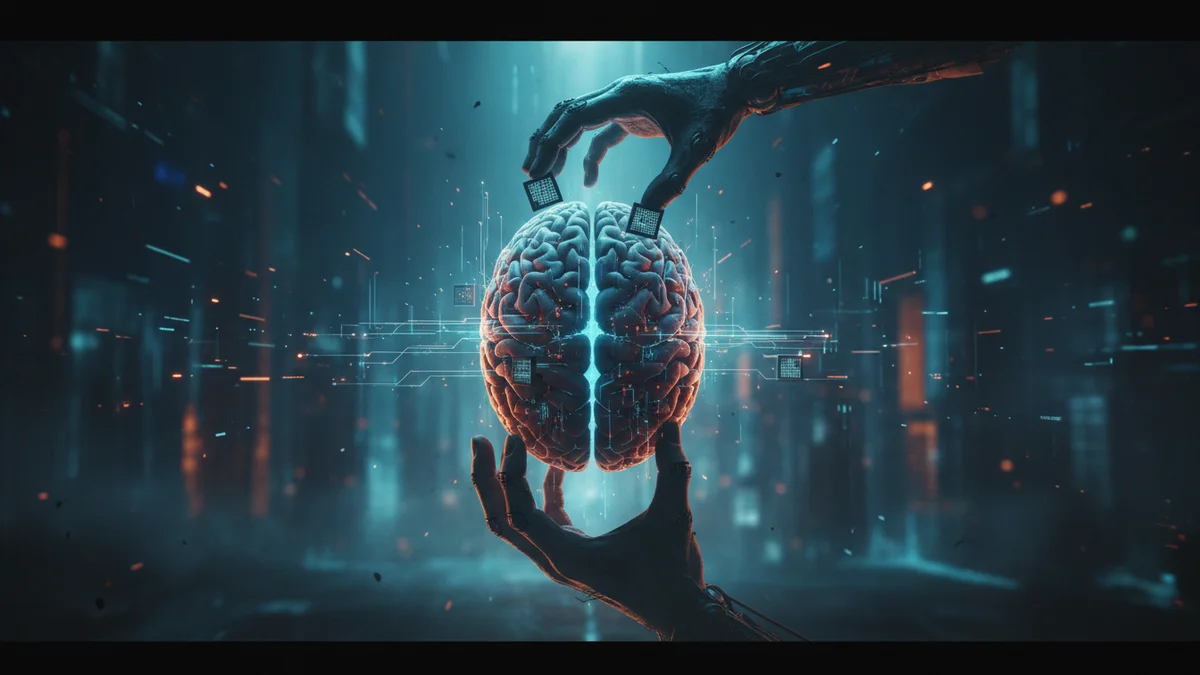
Artificial intelligence (AI) is essential in today's tech landscape. By 2026, its influence will be undeniable, transforming various fields. This guide aims to simplify AI for beginners and help you discover its applications and potential benefits.
History of Artificial Intelligence
Brief History of AI
- AI concepts emerged in the 1950s, aiming to create machines that mimic human functions.
- The field has seen cycles of excitement and stagnation.
Key Milestones and Innovations
- 1956: The Dartmouth Conference introduced the term “artificial intelligence.”
- 1990s: Development of machine learning algorithms.
- 2010-2020: Rapid growth of deep learning and virtual assistants.
Evolution Leading to 2026
- By 2026, AI will be integral in sectors like healthcare, finance, and transportation, proving its relevance.
Fundamentals of Artificial Intelligence
Types of Artificial Intelligence
- Weak AI: Designed for specific tasks, like personal assistants.
- Strong AI: Aiming to perform any human task, still in development.
Machine Learning vs. Deep Learning
- Machine Learning: Algorithms that adapt from data.
- Deep Learning: A complex subset using neural networks.
Neural Networks and Their Applications
- Mimic human brain structures, used in voice and image recognition.
Practical Applications of AI
Sectors Utilizing AI
- Healthcare: AI-driven diagnostics and tailored treatments.
- Finance: Predictive analytics and fraud detection.
- Transportation: Autonomous vehicles and route optimization.
Everyday Use Cases
- Virtual assistants like Siri and Alexa simplify daily tasks.
- E-commerce sites use AI for personalized product recommendations.
Impact of AI on Society
- Increased efficiency alongside ethical and social challenges.
Challenges and Opportunities
Ethical Challenges of AI
- Concerns include privacy, algorithmic bias, and accountability.
Career Opportunities in AI
- There’s a rising demand for skilled AI professionals across various fields.
Future of Artificial Intelligence
- Expect deeper integration of AI into daily life and continuous technological evolution.
Conclusion
AI is defining the future of technology. Understanding its basics is vital for career relevance. This guide offers a strong foundation for beginners, unlocking new professional opportunities in the AI sphere.
💡 Pro Tip: Explore online learning platforms that offer interactive AI courses. Many include practical projects to help you apply knowledge in real-world situations.
What does this mean?
- Business/Dev impact: Grasping AI boosts operational efficiency and fosters innovation.
- User impact: Awareness of AI applications enhances personal productivity and decision-making.
- Next steps/trends: Invest in AI education to stay competitive in the evolving job market.
Perguntas Frequentes
What is artificial intelligence?
AI simulates human intelligence processes using machines, especially computers.
How can AI be used in my job?
AI can automate repetitive tasks, offer data insights, and boost efficiency.
What are the main risks of AI?
Risks include algorithmic bias, privacy concerns, and possible job displacement.
💡 Dica Pro: Utilize AI tools like Google Cloud's AutoML for practical projects that enhance your skills and understanding.