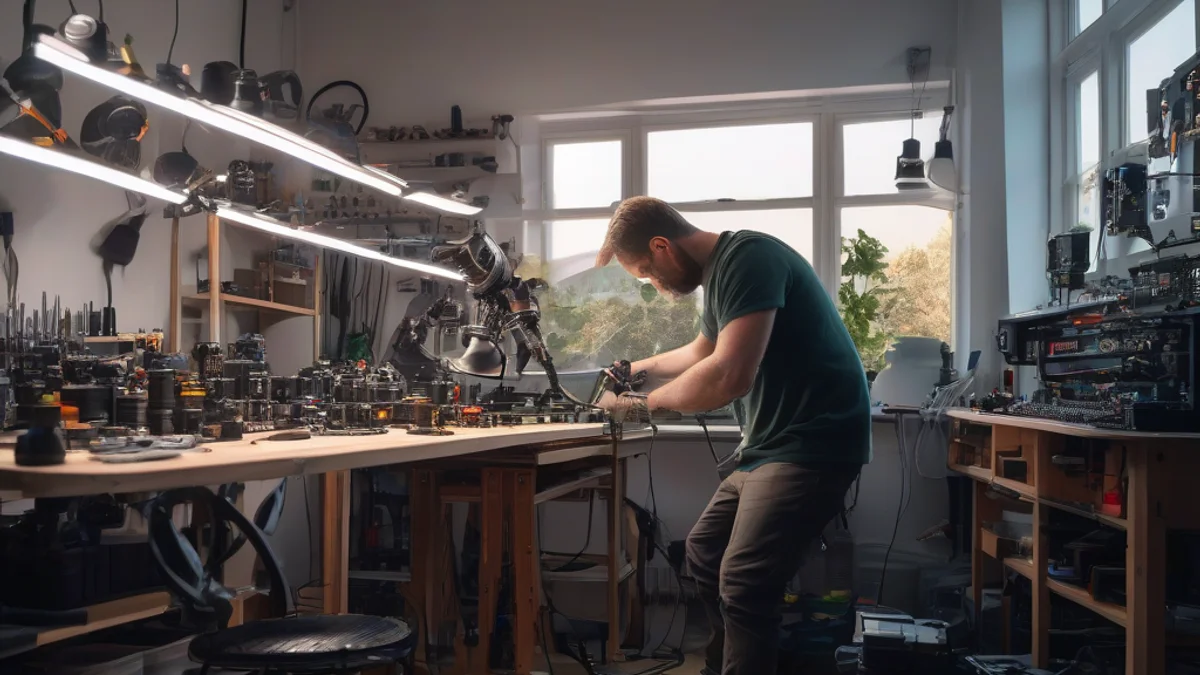
Why Camera Lens Repair is on the Rise
The demand for camera lens repair is growing, driven by economic constraints and an increased focus on sustainability. Historically, the photography industry has relied on frequent equipment upgrades, but this trend is shifting as professionals and enthusiasts turn to repairs to extend the life of their tools.
According to Folha de S.Paulo, manufacturing new camera equipment contributes significantly to electronic waste and depletes natural resources. Opting for repairs instead of replacements, which cost only 20-50% of a new lens, offers a cost-effective and eco-friendly alternative, especially in light of global inflation.
Factors Driving the Surge in Lens Repairs
Economic Pressures
- Independent photographers and small studios face tighter budgets, making repair services a more viable option.
- Repairing a lens costs a fraction of its replacement price, appealing to those looking to extend equipment lifespan.
Sustainability Awareness
- Growing concerns about electronic waste have prompted photographers to reduce their environmental footprint.
- Repairing instead of replacing lenses minimizes waste and conserves resources, aligning with global sustainability goals.
Game-Changing Technologies in Lens Repair
The Role of 3D Printing
3D printing has revolutionized the lens repair industry by addressing cost and efficiency challenges:
- Cost Savings: Custom replacement parts can now be printed locally, reducing dependency on imported components.
- Faster Repairs: Shortened delivery times for parts allow photographers to get their equipment back in action more quickly.
- Environmental Benefit: Localized production of parts reduces carbon emissions from shipping.
AI-Driven Diagnostics
Artificial intelligence is improving the precision and efficiency of lens repairs:
- Accurate Fault Detection: AI-based diagnostic tools can identify lens issues more reliably than manual methods.
- Fewer Errors: By minimizing diagnostic mistakes, AI reduces the need for repeat repairs, lowering long-term costs for customers.
Economic and Environmental Benefits
The shift towards repairing camera lenses offers dual benefits:
- Environmental Impact: Repairing rather than discarding lenses reduces the amount of electronic waste, much of which is difficult to recycle. This results in a smaller environmental footprint and aligns with sustainability initiatives.
- Economic Savings: Repairs costing 20-50% of a new lens provide significant financial relief, especially in an era of rising living costs. This is particularly beneficial for budget-conscious photographers and small businesses.
Future Trends in the Lens Repair Market
Opportunities for Growth
- For Technicians: The rising demand for lens repairs is creating job opportunities in the repair sector.
- For Entrepreneurs: Small businesses specializing in camera repair are becoming increasingly viable, especially with the aid of new technologies like 3D printing and AI.
The Rise of DIY Repair Culture
The growing availability of online tutorials and forums is empowering individuals to perform basic repairs themselves. This trend is fostering a culture of sustainability and self-reliance within the photography community.
Strategic Implications
For Developers and Innovators
- R&D Potential: Companies focusing on 3D printing materials and AI diagnostic tools have a growing market to explore.
- Collaborative Opportunities: Partnering with camera manufacturers and repair shops can streamline supply chains and improve service quality.
For Businesses
- Cost Efficiency: Businesses can save significant amounts by opting for repairs instead of replacements, a critical consideration in times of economic uncertainty.
- Sustainability Goals: Repair-focused operations align with environmental goals, appealing to eco-conscious clients.
The Road Ahead
- Market Expansion: An increase in repair service providers, especially in regions with high import costs, can be expected.
- Tech Standardization: AI-driven tools and 3D printing are likely to become standard in lens repair workflows by 2028.
- Policy Shifts: Governments might introduce incentives or regulations to encourage repair services as part of broader environmental policies.
References
Frequently Asked Questions
Why is camera lens repair becoming more popular?
Rising economic pressures and sustainability concerns are driving more photographers to repair lenses, which cost 20-50% of a new lens and reduce electronic waste.
How is 3D printing used in camera lens repairs?
3D printing allows technicians to produce custom replacement parts locally, reducing costs, repair times, and carbon emissions from shipping.
What role does AI play in lens repair?
AI-powered diagnostic tools improve the accuracy of fault detection, reducing errors and minimizing the need for repeated repairs.
💡 Dica Pro: When implementing 3D printing in repair operations, invest in multi-material printers. They allow for the creation of complex lens components that replicate original parts more accurately, improving repair durability and performance.