Ética & Regulação
Switzerland Lifts 2018 Nuclear Ban: Energy Security in Focus
Dr. Adrian Vale
LLM, AI Agents & AI Infrastructure Specialist
4 min read
Listen to Article
AI automated narration
LLM, AI Agents & AI Infrastructure Specialist
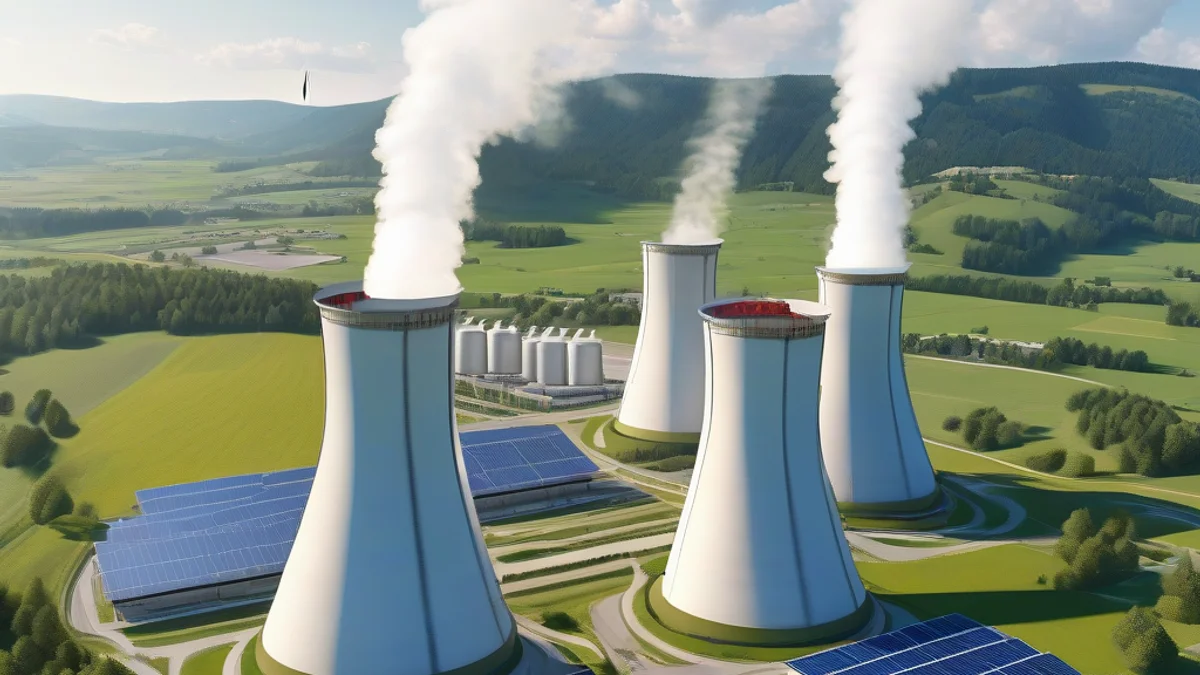
Switzerland’s parliament has repealed the 2018 ban on new nuclear power plants, citing rising energy demands, supply chain vulnerabilities, and a push for self-sufficiency. This decision aligns with global trends and positions the country to explore advanced nuclear technologies, though challenges like waste management and public acceptance remain.
Switzerland has officially lifted its 2018 ban on constructing new nuclear power plants, marking a significant pivot in its energy strategy. This decision emerges as the nation faces increasing electricity demands, supply chain vulnerabilities, and the need to ensure energy self-sufficiency.
The ban, originally part of Switzerland's Energy Strategy 2050 aimed at phasing out nuclear energy, no longer aligns with the country's current energy challenges. Rising electrification in transportation and heating systems, coupled with seasonal fluctuations in renewable energy availability, have prompted a reassessment of nuclear energy's role.
Switzerland's electricity needs are escalating due to the rapid adoption of electric vehicles, heating electrification, and the proliferation of digital technologies. Seasonal gaps in the availability of solar and wind energy exacerbate supply challenges, making reliable energy sources like nuclear more appealing.
The European energy crisis, amplified by the Ukraine conflict, has exposed the region’s dependence on Russian natural gas. With Switzerland importing 75% of its electricity, the nation has become increasingly vulnerable to external disruptions, underscoring the need for local, stable energy production.
Public initiatives such as the "Stop Blackouts Initiative" reflect growing public concern over energy shortages. Lifting the nuclear ban is seen as a step toward reducing dependence on foreign energy sources and avoiding blackouts during peak demand periods.
Switzerland's move could set a precedent for nuclear policy shifts across Europe. Countries like Germany and Italy, which have faced similar energy crises, may revisit their nuclear bans. New nuclear capacity could stabilize Europe’s energy grid and complement renewable sources like wind and solar.
For Switzerland, lifting the ban opens doors to significant opportunities:
While the policy shift is a bold step, challenges remain that could complicate its implementation:
The change provides a fertile ground for innovation in nuclear technology. Engineers and scientists can focus on enhancing reactor safety, efficiency, and waste management.
Energy firms now have an opportunity to engage in new nuclear projects, attracting investments and creating jobs. However, they must navigate regulatory hurdles and public opinion carefully.
Regulatory bodies must establish a robust framework for licensing and monitoring new nuclear plants, ensuring compliance with safety and sustainability standards.
Switzerland’s decision to lift its nuclear ban highlights a strategic shift to address rising energy demands and ensure energy security. While the move aligns with global trends and presents opportunities for innovation, it requires careful management to address environmental, safety, and public concerns. This policy change could have far-reaching implications, not only for Switzerland but also for Europe’s broader energy future.
The decision was driven by rising energy demands, supply chain vulnerabilities, and a focus on energy self-sufficiency amid global energy crises.
Fourth-generation reactors are advanced nuclear designs offering improved safety, higher efficiency, and the ability to recycle nuclear waste.
Yes, challenges include public acceptance, safety concerns, potential delays from a referendum, and the need for effective radioactive waste management.
💡 Dica Pro: Fourth-generation nuclear reactors, such as molten salt reactors, not only enhance safety but also allow for the recycling of spent nuclear fuel, significantly reducing waste management challenges.