
LLM, AI Agents & AI Infrastructure Specialist
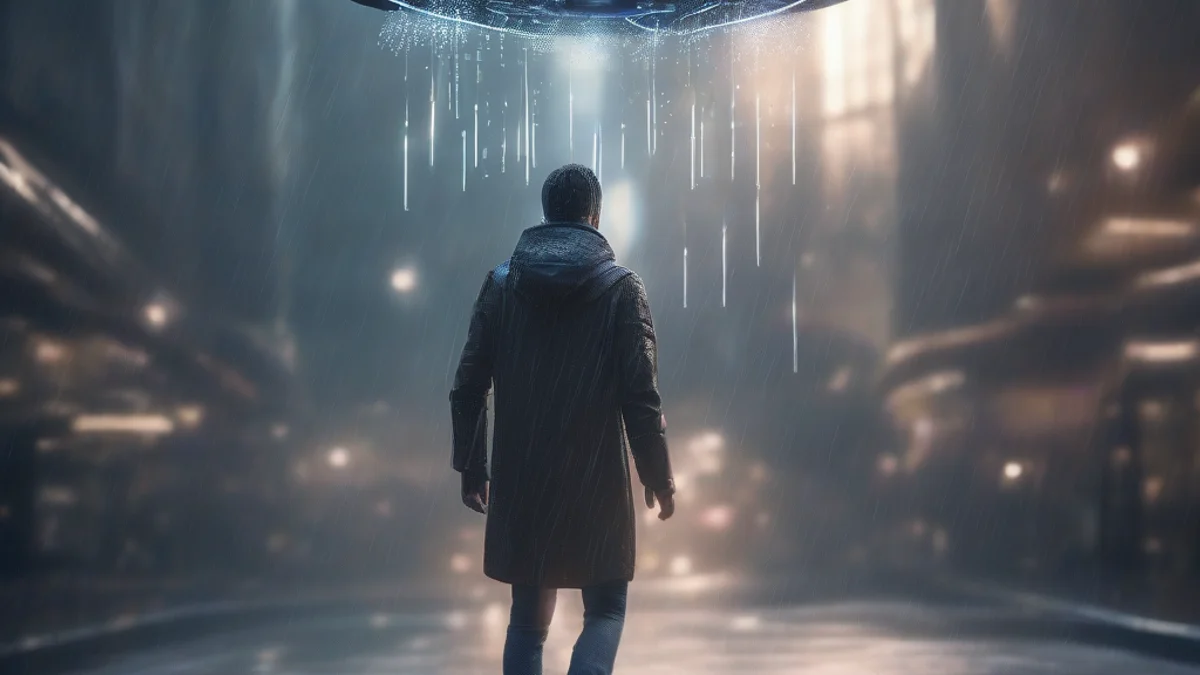
Engineer John Tse has developed an autonomous flying umbrella that uses AI and drone technology to provide hands-free protection from rain and sunlight. The device is equipped with smart tracking, collision avoidance, and extended battery life. While it showcases the potential for intelligent personal devices, it faces challenges such as safety, privacy concerns, and high production costs.
John Tse, a renowned engineer and YouTuber, has introduced an innovative autonomous flying umbrella that uses AI and drone technology. This "Flying Umbrella" has been under development for over two years and is designed to follow users and provide protection from rain or sunlight in real-time. The device represents a new frontier in integrating artificial intelligence with consumer drone applications.
The Flying Umbrella stands out for its advanced features, which include:
This iteration builds upon Tse's earlier remote-controlled prototype from 2024, incorporating user feedback to create a fully autonomous version.
The Flying Umbrella could signal a broader shift in personal device technology, with potential impacts including:
Despite its promise, the Flying Umbrella faces notable challenges:



To achieve mainstream adoption, certain areas require focus:
John Tse's autonomous flying umbrella is a groundbreaking innovation, promising a future where personal devices are increasingly intelligent and autonomous. While challenges such as safety, privacy, and cost need to be addressed, this device has the potential to pave the way for novel applications of AI and drone technology in everyday life. As the AI and drone markets continue to grow, the Flying Umbrella could become a blueprint for the future of personal automation.
The Flying Umbrella uses AI-driven computer vision algorithms and cameras to track and follow users, while adapting to environmental factors like wind and rain.
The device includes collision-avoidance sensors and real-time obstacle detection to ensure safe operation, even in crowded or urban areas.
Key challenges include safety risks in crowded areas, privacy concerns over camera use, high production costs, and meeting drone regulations in public spaces.
💡 Dica Pro: When designing AI-powered devices for public use, prioritize lightweight, energy-efficient components and ensure the integration of advanced safety features like real-time collision detection and weather adaptation systems.
