Ética & Regulação
Trump Pardons 9 for Emissions Violations: Clean Air Act in Focus
Dr. Adrian Vale
LLM, AI Agents & AI Infrastructure Specialist
4 min read
Original sourceLLM, AI Agents & AI Infrastructure Specialist
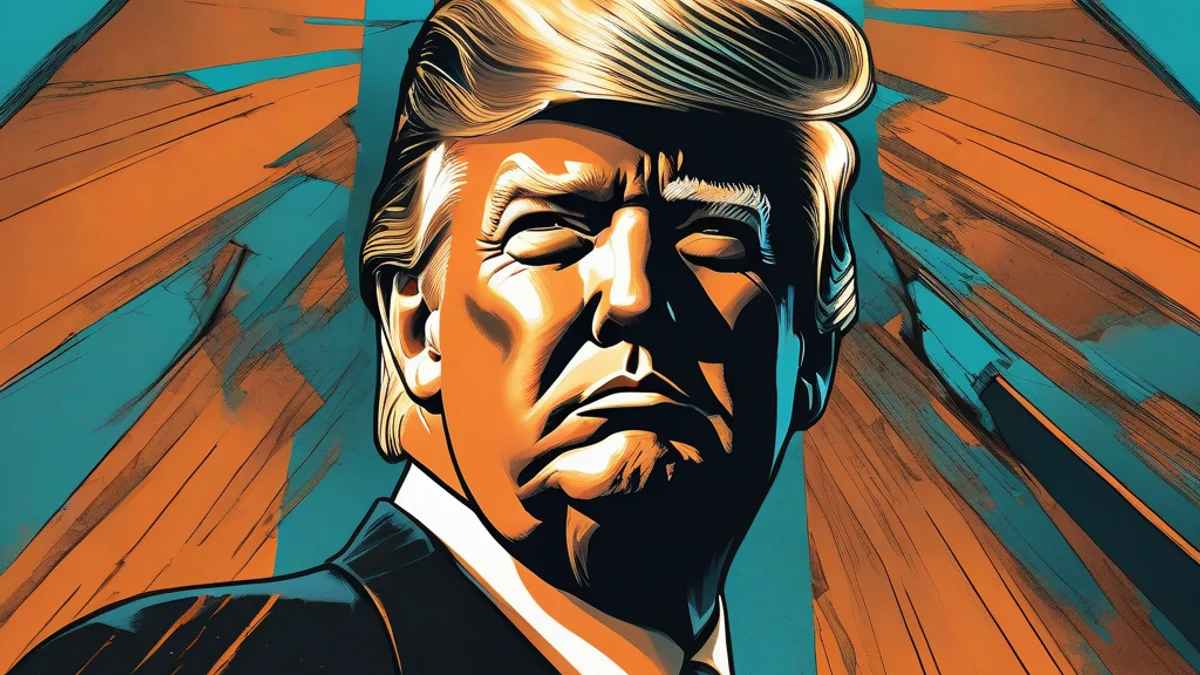
On July 3, 2026, Donald Trump pardoned nine individuals convicted of using or manufacturing 'defeat devices' that bypass vehicle emissions controls, violating the Clean Air Act. Environmental groups have criticized the move, warning it undermines decades of progress in air quality improvements. Analysts suggest the pardons may embolden corporations to disregard environmental regulations, raising questions about the future of U.S. air pollution standards.
On July 3, 2026, former President Donald Trump issued pardons to 11 individuals, including nine convicted of violating the Clean Air Act by using or selling 'defeat devices.' These devices disable vehicle emissions controls, enabling cars to emit pollutants like nitrogen oxides (NOx) at levels far above legal limits. NOx is a key contributor to smog and is linked to respiratory diseases, making such violations significant threats to public health and the environment.
Trump justified these pardons by claiming the individuals were victims of political persecution under the Biden administration. He described their actions as 'fixing their cars,' although critics argue these were deliberate attempts to bypass environmental regulations for profit.
The decision has drawn sharp criticism from environmental advocacy groups and regulatory bodies. A representative from the Environmental Defense Fund warned, "These pardons signal that environmental crimes are not taken seriously, potentially undoing decades of progress in air quality improvements." The Biden administration also condemned the move as a major setback in combating air pollution and climate change.
Public opinion data reveals the contentious nature of environmental regulations in the U.S. According to a 2025 survey:
This divide highlights the ongoing tension between environmental priorities and economic interests, a conflict that Trump's pardons have brought to the forefront.
Political analysts believe Trump's pardons are a calculated move to appeal to industrial sectors and voters who see environmental regulations as barriers to economic growth. While this approach may strengthen his support among these groups, it risks alienating climate-conscious voters, particularly younger and moderate demographics who prioritize environmental sustainability.
The pardons could have far-reaching consequences for corporate behavior and regulatory enforcement:
Notably, the automotive industry, already scrutinized for scandals like Volkswagen's Dieselgate, may face increased pressure to ensure compliance and transparency in emissions practices.
Trump's actions raise critical questions about the resilience of U.S. environmental policies and their enforcement mechanisms:
The Biden administration is reportedly exploring options to bolster Clean Air Act enforcement and assess legislative amendments to prevent future political disruptions.
Trump's pardons for Clean Air Act violators have sparked significant debate over the balance between political interests and environmental protection. The decision raises concerns about:
As the U.S. approaches the 2028 presidential election, these issues will likely play a critical role in shaping both policy and voter priorities.
Defeat devices are tools or software designed to bypass vehicle emissions controls, allowing cars to emit pollutants above legal limits. They are illegal under the Clean Air Act because they undermine efforts to reduce air pollution and protect public health.
The pardons could weaken trust in environmental regulations and potentially encourage businesses to ignore compliance, assuming political intervention could absolve them of consequences.
The Clean Air Act is a key U.S. environmental law aimed at reducing air pollution and protecting public health. It regulates emissions from industries and vehicles and has significantly improved air quality since its inception.
💡 Dica Pro: The Clean Air Act’s enforcement mechanisms rely heavily on judicial independence. Companies should monitor legislative changes that could alter how violations are prosecuted, potentially exposing businesses to greater financial and legal risks.