Why 'Klara and the Sun' Could Redefine AI in Sci-Fi Cinema

Dr. Adrian Vale
LLM, AI Agents & AI Infrastructure Specialist
4 min read
Listen to Article
AI automated narration
LLM, AI Agents & AI Infrastructure Specialist
Taika Waititi's adaptation of Kazuo Ishiguro's *Klara and the Sun* delves into empathy and human-AI relationships. Starring Jenna Ortega and Amy Adams, the film premieres December 15, 2026, and has already earned praise for its emotional depth and innovative approach to AI in storytelling.
At CinemaCon 2026, Sony Pictures revealed the highly anticipated trailer for Klara and the Sun, a film adaptation of Kazuo Ishiguro’s Nobel Prize-winning novel. Directed by Taika Waititi, the movie is set for release on December 15, 2026, featuring an ensemble cast led by Jenna Ortega, Amy Adams, Steve Buscemi, and Natasha Lyonne. Known for blending humor with emotional storytelling, Waititi calls this project a "faithful yet imaginative" retelling of Ishiguro’s work.
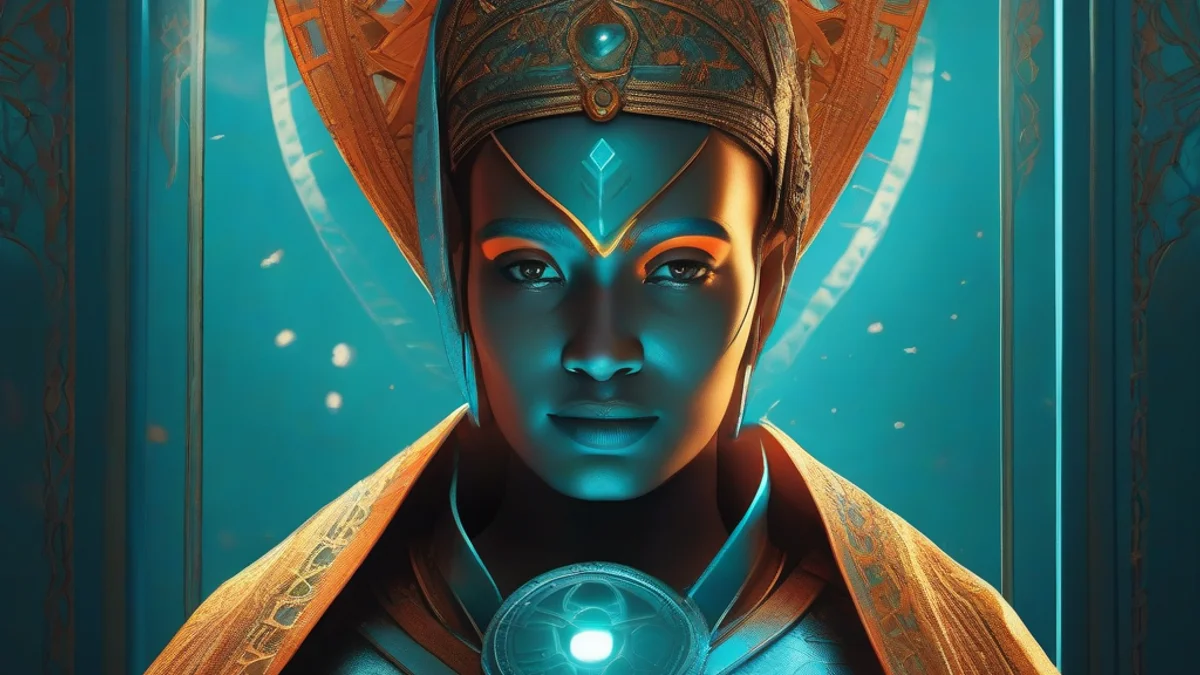
The film is set in a near-future society where artificial intelligence is deeply interwoven into daily life. At the center is Klara, an "Artificial Friend" programmed to provide companionship, who embarks on a journey to understand human emotions and relationships.
Unlike typical depictions of AI as a threat or dystopian force, Klara and the Sun emphasizes themes of empathy and the nuances of human connection. The narrative challenges audiences to consider AI's potential for emotional enrichment rather than just its risks. Ishiguro’s novel—and by extension, Waititi’s film—explores the philosophical and ethical dilemmas of a society reliant on machines for emotional and social support.
Klara's programmed empathy serves as a mirror, reflecting humanity’s vulnerabilities and moral complexities. This focus on emotional intelligence over technological dominance distinguishes the movie from more traditional sci-fi fare.
Jenna Ortega’s portrayal of Klara has already generated critical acclaim, with her nuanced performance capturing the delicate balance between machine-like precision and emotional growth. Ortega’s ability to convey complex feelings through the lens of an artificial character has been singled out as a highlight.
Amy Adams complements the story as the mother of Josie, a young girl who forges a unique bond with Klara. Adams, known for her emotionally resonant roles, adds depth to the film’s exploration of familial and societal dynamics. Meanwhile, Steve Buscemi and Natasha Lyonne bring their own distinctive gravitas, enriching the narrative with layered performances.
The unveiling of the trailer at CinemaCon was met with enthusiastic reviews. Critics have praised the film’s stunning visuals, emotional resonance, and philosophical depth. Many have noted this marks a creative evolution for Waititi, who is best known for works like Jojo Rabbit and Thor: Ragnarok.
Expectations are high, as Klara and the Sun follows in the footsteps of recent cerebral sci-fi films like Dune and Ex Machina. If successful, it could set a new standard for emotionally driven storytelling in science fiction cinema.
Klara and the Sun arrives at a pivotal moment for the sci-fi genre, when filmmakers are increasingly exploring the ethical and philosophical implications of technology. Similar to films like Her and Blade Runner 2049, Waititi’s work shifts the narrative focus from action and spectacle to the human condition and the moral questions raised by artificial intelligence.
The film could inspire further exploration of emotional intelligence, empathy, and human-machine interaction in storytelling. For developers and businesses, it underscores the growing cultural interest in AI technologies capable of emotional engagement, potentially influencing advancements in fields like virtual assistants, gaming, and digital companions.
The film is set to release on December 15, 2026, as confirmed by Sony Pictures.
The movie features Jenna Ortega as Klara, along with Amy Adams, Steve Buscemi, and Natasha Lyonne in key roles.
The film focuses on empathy, human-AI relationships, and the ethical dilemmas of a future where machines play a central role in human lives.
💡 Dica Pro: Klara’s portrayal highlights a key AI trend: designing systems to simulate emotional intelligence. Developers in AI should focus on creating more nuanced, empathetic interactions to align with growing public interest in human-machine emotional connections.